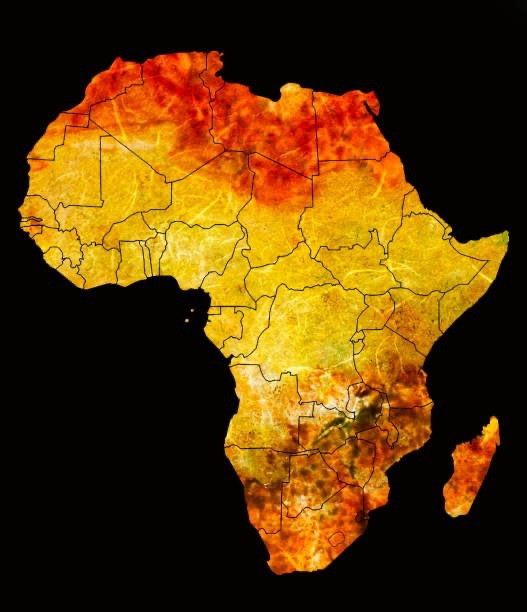
A little to Know About Sierra Leone
Early History
The area now known as Sierra Leone has been inhabited for thousands of years. Early communities were made up of farming, fishing, and trading societies. Ethnic groups such as the Temne, Mende, and Limba developed strong cultural traditions and local systems of leadership. By the 15th century, European explorers began arriving along the coast. In 1462, Portuguese explorer Pedro da Cintra named the region “Serra Lyoa,” meaning “Lion Mountains,” because of the mountain range near present-day Freetown.
The Slave Trade Era
Between the 16th and 19th centuries, Sierra Leone became involved in the transatlantic slave trade. European traders built forts along the coast, including on Bunce Island, where enslaved Africans were held before being transported to the Americas. This period caused great suffering and population loss.
Founding of Freetown
In 1787, British abolitionists established a settlement for freed African slaves in the area that became Freetown. In 1808, Sierra Leone became a British Crown Colony. Freetown later became an important center for freed slaves from across West Africa, creating a diverse community known as the Krio people.
Colonial Rule and Independence
During the 19th century, Britain expanded control over the interior, declaring it a protectorate in 1896. Colonial rule brought changes in education, religion, and government but also resistance from local leaders.
On April 27, 1961, Sierra Leone gained independence from Britain under the leadership of Prime Minister Sir Milton Margai.
Civil War and Recovery
From 1991 to 2002, Sierra Leone experienced a devastating civil war that caused widespread destruction and loss of life. With international support, peace was restored in 2002. Since then, the country has worked toward rebuilding its economy, strengthening democracy, and promoting national unity.
Sierra Leone Today
Today, Sierra Leone is a republic with a growing population and rich natural resources, including diamonds and minerals. Despite challenges, the country continues to develop in areas such as education, healthcare, and infrastructure. Its history reflects resilience, cultural diversity, and hope for the future.