A little to Know About Senegal
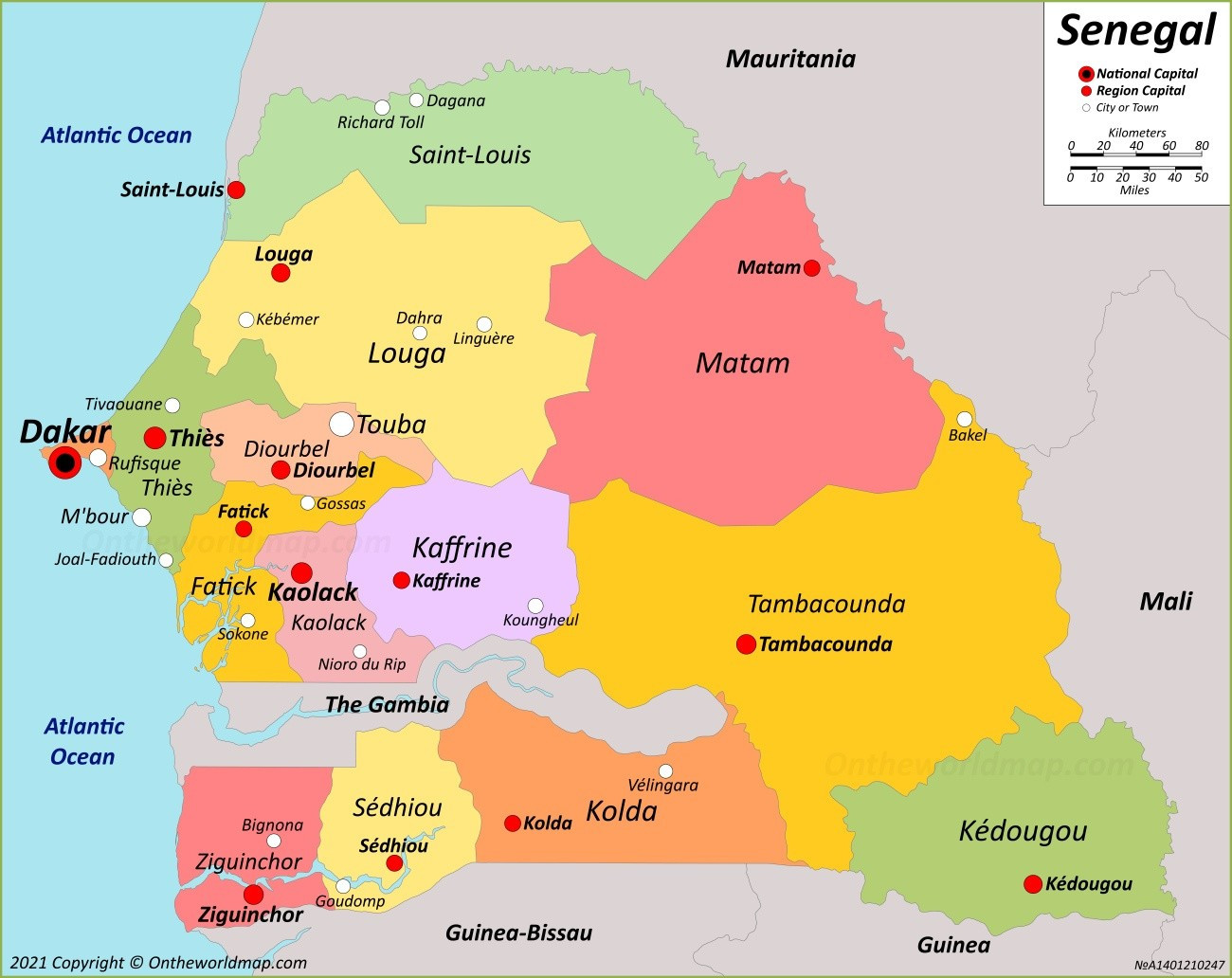
Senegal, located in West Africa along the Atlantic coast, has a rich history spanning thousands of years.
Human habitation dates back to prehistoric times, with evidence like Paleolithic/Neolithic tools and mysterious stone circles (megalithic sites, now a UNESCO World Heritage site) from as early as the 3rd century BCE to the 16th century CE.
From the 8th century, the region was influenced by the Ghana Empire, followed by the rise of local kingdoms. Islam arrived in the 11th century via the Almoravids, converting groups like the Tukulor and spreading through the Senegal River valley.
The Jolof Empire (or Wolof) emerged in the 13th–14th centuries, becoming a major power before fragmenting into states like Cayor, Baol, Sine, and Saloum in the 16th century.
European contact began in the 1440s with Portuguese traders, followed by Dutch and French involvement. By the 17th century, the French established key outposts like Saint-Louis (1659) and controlled Gorée Island, major hubs in the transatlantic slave trade.
In the 19th century, France expanded control, making Senegal a core part of French West Africa (with Dakar as capital). It became a colony by the late 1800s.
Independence came in 1960: Senegal briefly formed the Mali Federation with French Sudan (now Mali) but separated peacefully on August 20, 1960. Léopold Sédar Senghor, a renowned poet and leader of the Negritude movement, became the first president and governed until 1980.
Since independence, Senegal has maintained relative political stability and democratic transitions (e.g., peaceful power handovers in 2000, 2012, and more recently), making it one of Africa's more stable democracies. Today it blends strong Islamic traditions, diverse ethnic groups (Wolof being the largest), and vibrant culture with French colonial legacies.